Industries · Landscaping

Green Spaces for
Lasting Urban Growth

Helping plants thrive, resources circulate, and people and nature grow together in the city.

Green Spaces for Lasting Urban Growth
2.86 million m²Ground-Level Green Space
270,000 m²Mangrove Habitat
256 kmTotal Length of Vertical Greenery
Over 70 SpeciesBirds Observed and Recorded

Green Spaces for Lasting Urban Growth

Greenery is both an essential part of the landscape and infrastructure that delivers lasting ecological value. Forest City's landscaping team maintains gardens, vertical greenery, nurseries, reclaimed-water irrigation, garden-waste recycling, mangrove cultivation and ecological conservation. Beyond establishing plants, professional and sustainable long-term management helps green spaces flourish, brings water, plants and organic waste into productive cycles, and creates a city more welcoming to people and nature.

2.86 Million m² of Green Space Brings the Forest into the City

2.86 Million m² of Green Space Brings the Forest into the City

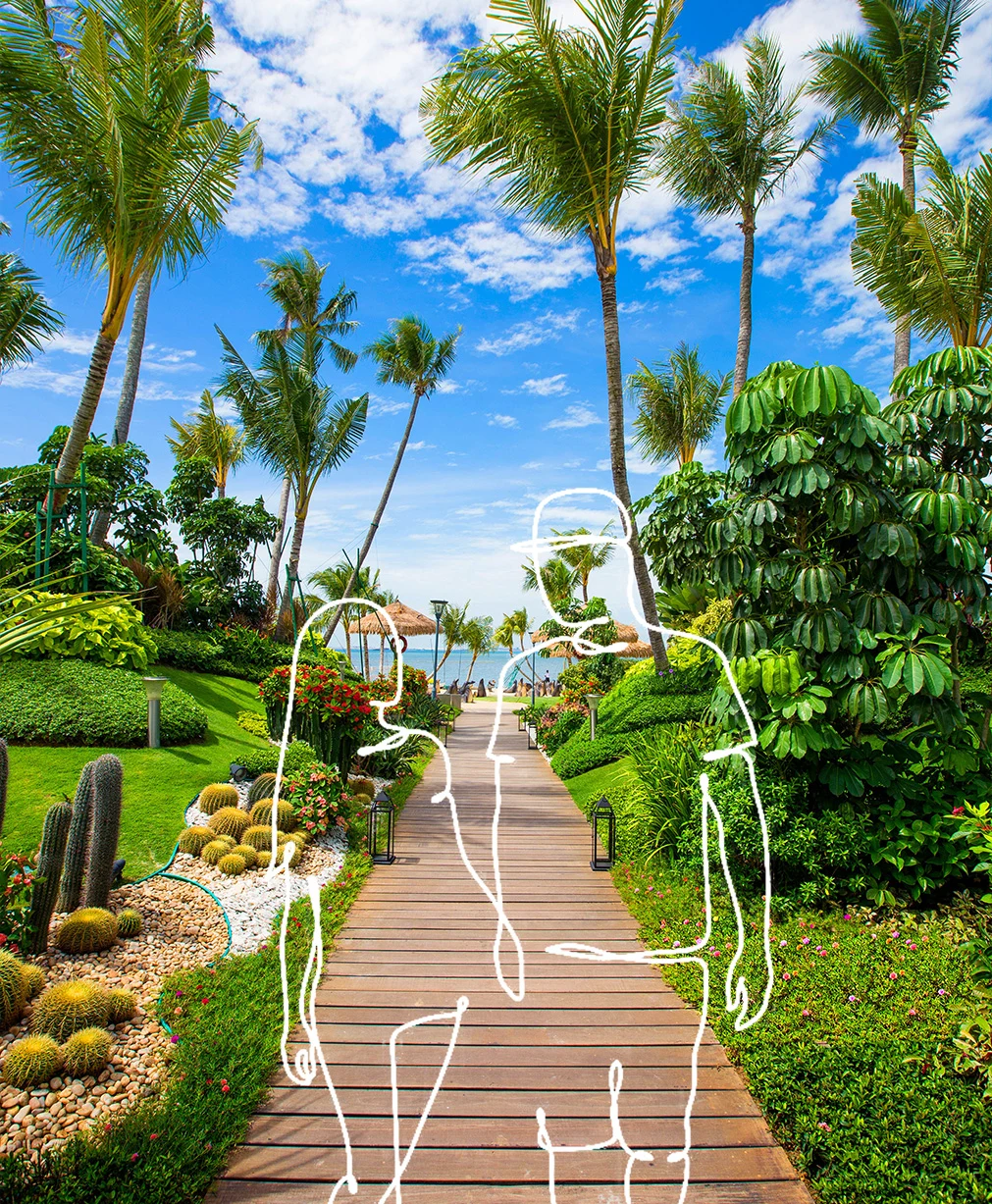
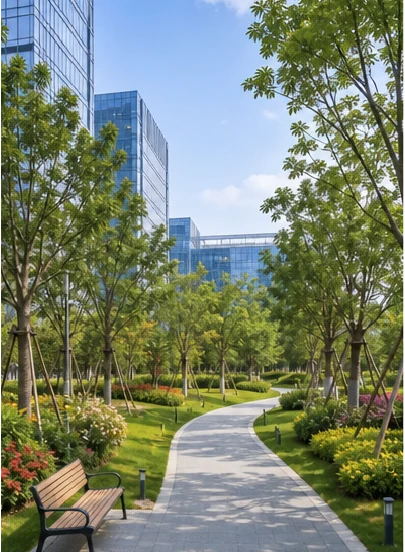
Forest City has completed approximately 2.86 million m² of ground-level landscaping, equivalent to around 400 standard football pitches, and about 256,000 linear metres of vertical greenery — a combined length of 256 km. Roads, parks, neighbourhood gardens, building façades, sky gardens and public spaces form a growing, multilayered ecological network. Plants absorb carbon dioxide and release oxygen through photosynthesis. Their leaves intercept some airborne particles and absorb certain gaseous pollutants. Extensive planting also provides shade and evapotranspiration, helping reduce local temperatures, regulate humidity and improve the urban microclimate.

Urban Habitats for More Than 70 Bird Species

Urban Habitats for More Than 70 Bird Species

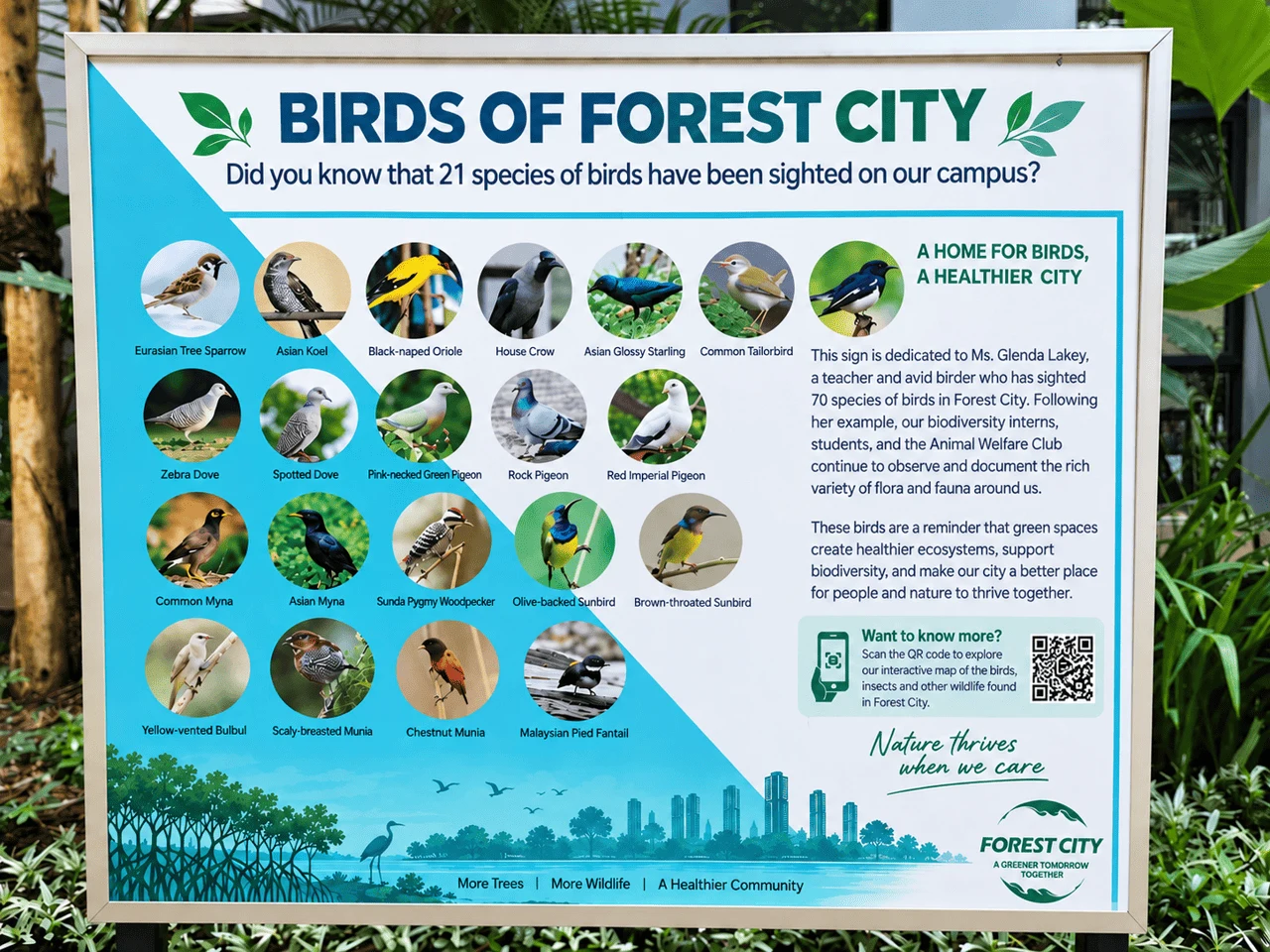
When green spaces are sufficiently extensive and connected, their value extends beyond appearance to ecology. Forest City's woodlands, parks, roadside planting, community gardens, waterfronts and mangroves offer feeding, resting and nesting habitats for birds, insects and other wildlife. Long-term observations by Forest City International School teachers have recorded more than 70 bird species across the city, including 21 species on the school campus alone. Their continued presence across gardens, woodland and waterside spaces is one indication that a connected ecological network is taking shape. Greenery becomes a living habitat, rather than simply a colour in the cityscape.

Reclaimed Water Irrigation: Making Every Drop Count

Reclaimed Water Irrigation: Making Every Drop Count

Extensive urban planting needs both a reliable water supply and responsible water use. Forest City treats part of the rainwater and domestic wastewater collected in its communities to produce reclaimed water meeting the relevant requirements for irrigating gardens, roadside planting, neighbourhood landscapes and some vertical greenery. Collection, treatment, storage, irrigation and reuse return water to the urban ecosystem. Properly treated reclaimed water may retain plant nutrients, supporting growth while meeting irrigation quality standards and reducing long-term dependence on tap water. This maintains landscape quality, conserves high-quality water, reduces some operating costs and improves water-use efficiency.

Our Own Nurseries: A Plant Reserve for the City

Our Own Nurseries: A Plant Reserve for the City

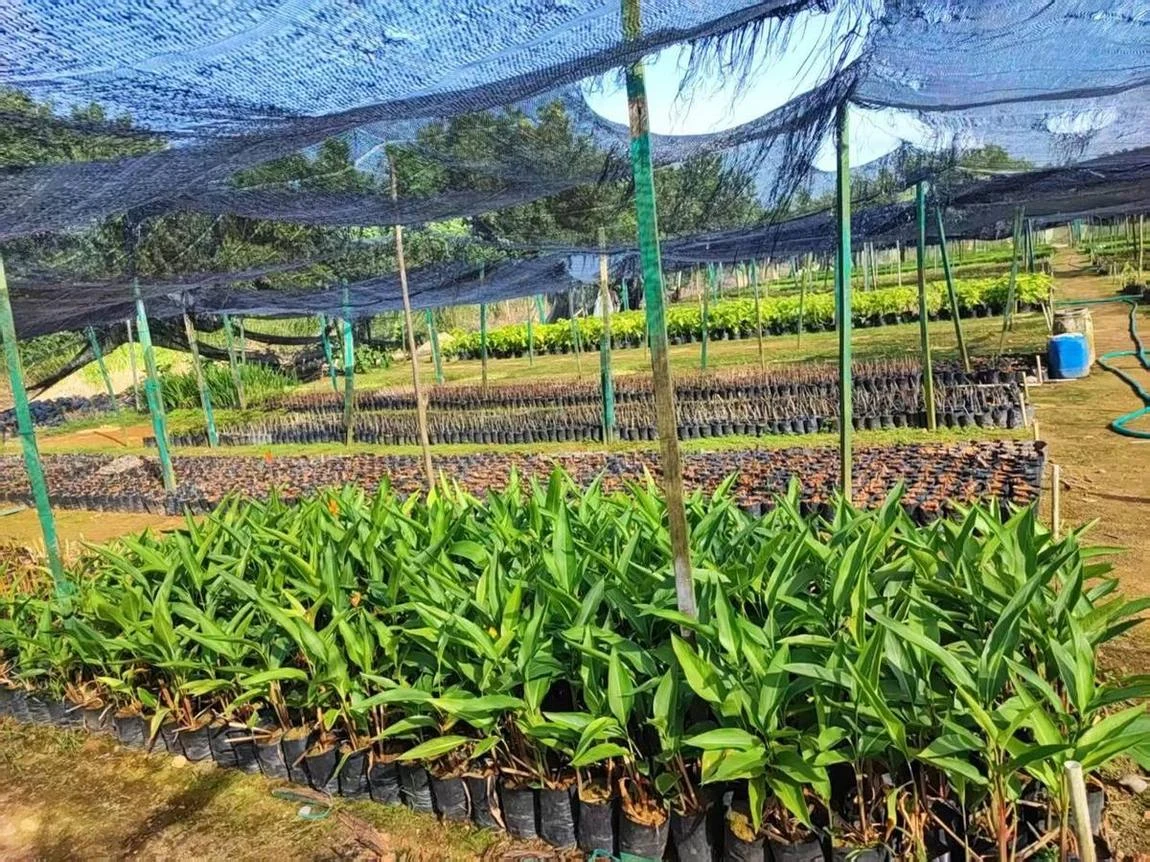
Forest City develops and operates its own nurseries to maintain the long-term quality of extensive landscaping. They support propagation, cuttings, seedling cultivation, reserve stock and replacement planting. Some plants are propagated from parent stock, keeping plant resources in circulation within the development. When plants are missing, ageing or dead, or when landscapes need improvement, the nurseries can supply locally suited material promptly. Moving from purchasing plants alone to cultivating, reserving and reusing them reduces some external procurement and transport costs and creates a more stable supply for long-term landscape care.

Returning Branches and Leaves to the Soil

Returning Branches and Leaves to the Soil

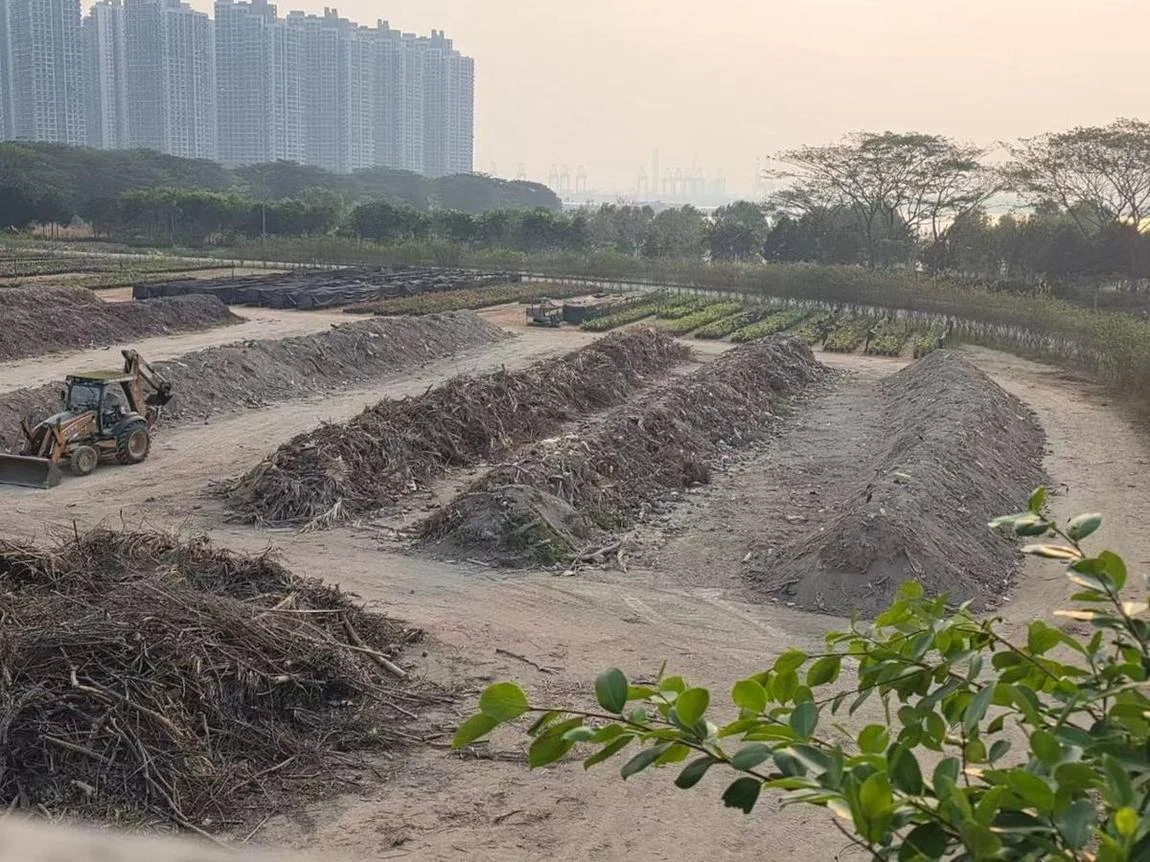
Large-scale landscape maintenance generates pruned branches, deadwood, leaves and other plant material. Treating all of it as waste adds transport and disposal costs and loses reusable organic resources. Forest City increasingly uses shredding and composting to return these materials to natural cycles. Shredded branches become compost feedstock or mulch, while appropriately composted leaves and plant residues support soil improvement and plant care. The cycle — growth, pruning, collection, shredding and composting, soil improvement, and renewed growth — reduces some disposal requirements and reliance on purchased organic fertilisers and landscaping materials. Today's prunings become resources for tomorrow's plants.

From Nursery to Coast: Protecting 270,000 m² of Mangroves

From Nursery to Coast: Protecting 270,000 m² of Mangroves

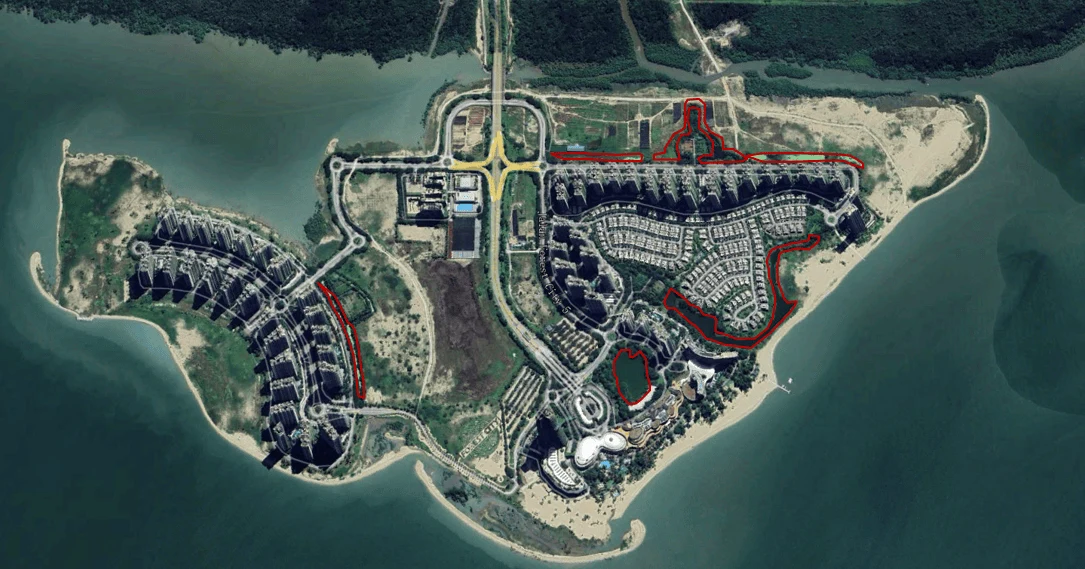
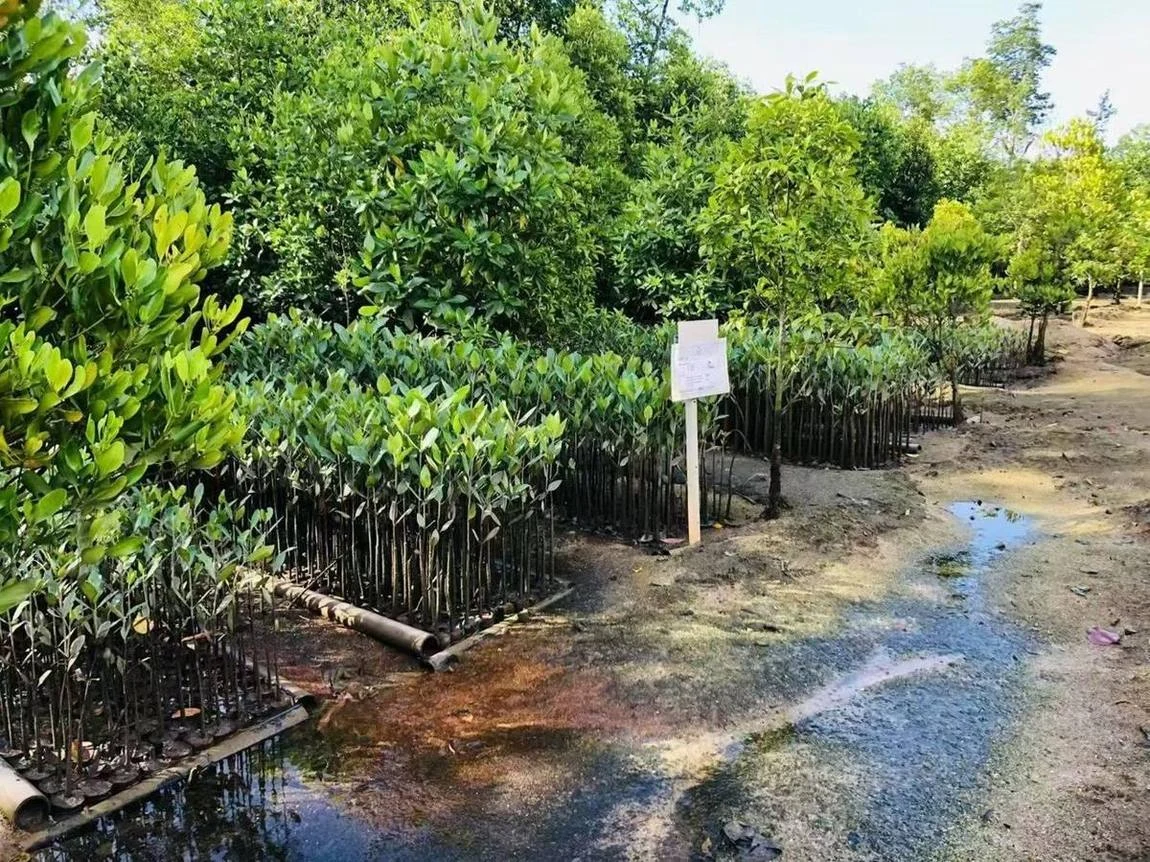
Forest City's estuarine and coastal setting provides a natural environment for mangroves. Long-term natural growth, cultivation and continued replanting have established approximately 270,000 m² of surrounding mangrove habitat, which continues to expand through regeneration and conservation. Beyond their landscape value, complex mangrove root systems help stabilise the coast and provide important habitats, feeding grounds and nursery areas for fish, crabs, shellfish, birds and other coastal wildlife. Mangroves also contribute to carbon storage, biodiversity protection and coastal ecological resilience.

Bringing Conservation to Communities and Future Generations

Bringing Conservation to Communities and Future Generations

Conservation requires more than the work of one department. Alongside routine planting and maintenance, Forest City's landscaping team participates in mangrove conservation, seedling cultivation and environmental activities with schools, universities, environmental organisations, local agencies and communities. The team also supports the development and ecological exhibits of the Forest City Eco Museum, providing plant and ecological resources for public education. By helping residents, students and visitors learn about plants, birds, mangroves and coastal habitats, these efforts encourage people to understand and protect nature, and help the next generation continue this shared work.

Green Infrastructure with Lasting Ecological Value

Using international urban forestry models as a theoretical reference, under a high tree-canopy scenario, 2.86 million m² of green space could have an oxygen-production capacity on the order of thousands of tonnes per year, comparable in scale to the annual oxygen consumption of several thousand adults. Forest City's actual planting includes trees, shrubs, lawns, ground cover and vertical greenery, whose leaf areas, growth rates and ecological benefits differ. This figure therefore illustrates ecological scale and is not a site measurement. More significant than oxygen production alone are the combined functions of carbon uptake, oxygen release, dust interception, shade, cooling, stormwater regulation, wildlife habitat and microclimate improvement. Regional heat, drought and potential transboundary haze from Indonesian forest and land fires underline the importance of green infrastructure. Planting cannot replace pollution-source control or fully block widespread haze, but healthy vegetation can provide a natural environmental buffer. Forest City's 2.86 million m² of ground-level greenery and 256 km of vertical greenery thus form an evolving infrastructure that contributes over time to the city's response to heat, air pollution and environmental change.

Planting Mangroves Together

Planting Mangroves Together

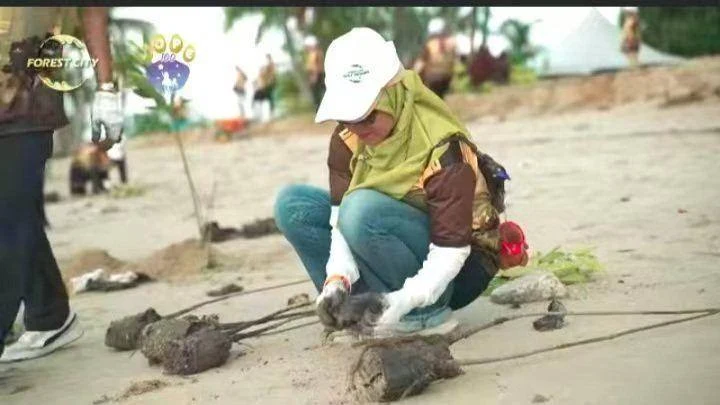
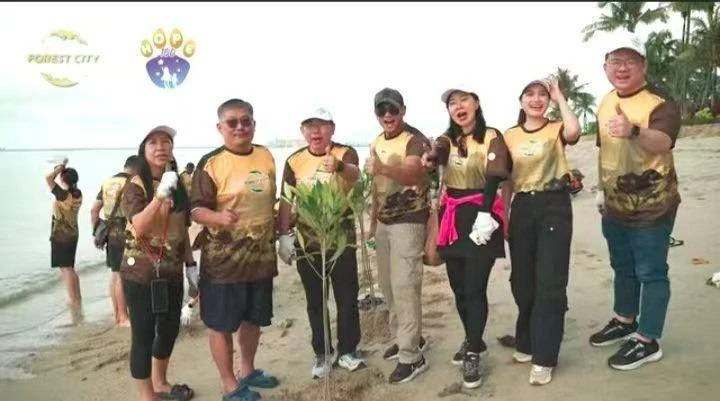
Mangrove seedlings are sourced and cultivated with local fishers. Joint planting activities involve Forest City International School, environmental organisation Hope100, Universiti Teknologi Malaysia (UTM) and municipal representatives, bringing together businesses, schools, universities, environmental groups, government bodies and local communities to exchange conservation experience.

2024: Reopening a 400 m² Mangrove Nursery

2024: Reopening a 400 m² Mangrove Nursery

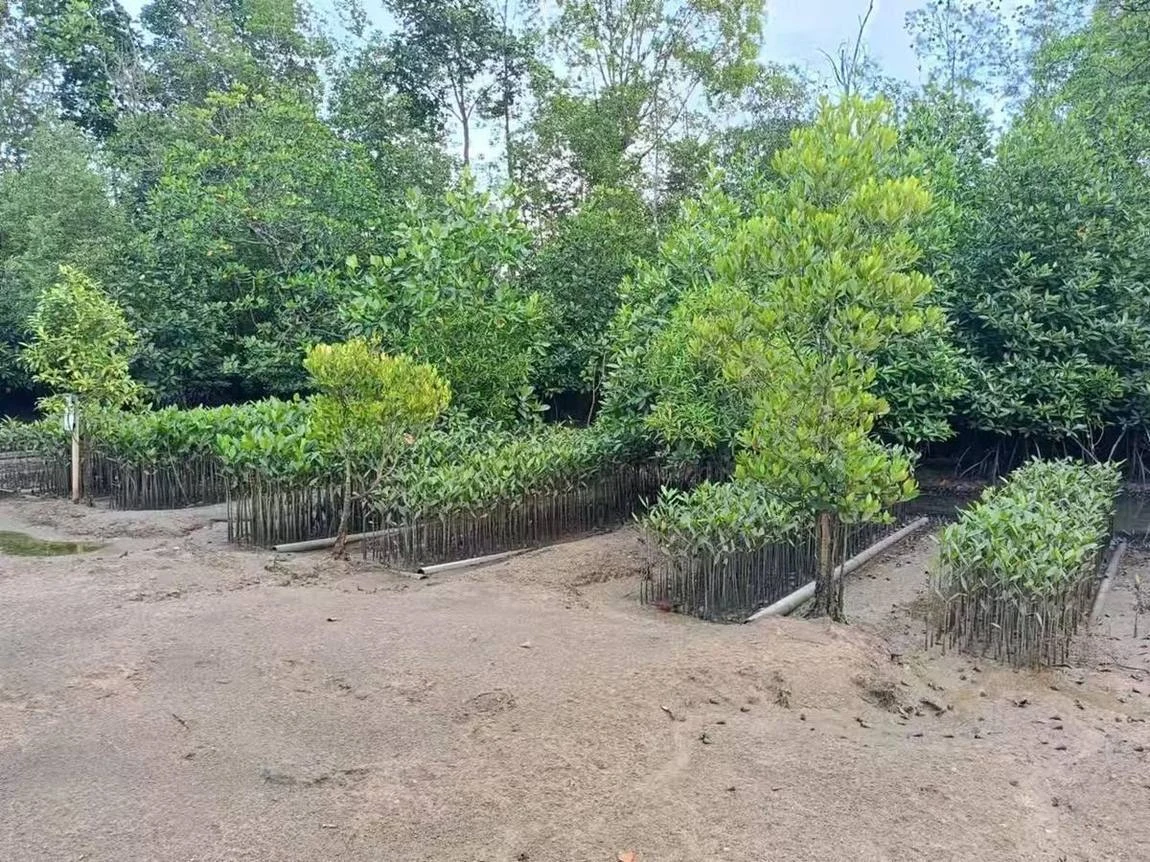
In 2024, Forest City's landscaping team reopened a mangrove nursery of approximately 400 m² to move from occasional planting activities towards long-term ecological management. It propagates and cultivates seedlings for future replacement and infill planting around Forest City. Natural tidal irrigation takes advantage of coastal conditions: seawater flows through the nursery with the tides, recreating the mangroves' native environment and helping young plants adapt to salinity, tidal changes and coastal growth conditions. The nursery currently cultivates approximately 4,000 mangrove seedlings.

From Landscaping to Urban Ecological Management

From Landscaping to Urban Ecological Management

Forest City's landscaping work now extends beyond traditional garden maintenance. Green-space development, reclaimed water, in-house nurseries, garden-waste recycling, mangrove cultivation, biodiversity protection and environmental education are gradually forming a more complete urban resource cycle. Meaningful greening makes nature an enduring part of how a city operates, as well as improving its appearance.
Forest City's Green Resource Cycle

Landscape IrrigationCreating Habitats for People and WildlifeReusing Water ResourcesGrowing Our Own PlantsReturning Garden Waste to the SoilCultivating and Protecting MangrovesEnvironmental Education & Community Participation
FOREST CITY